From Raw Health Data to Meaningful Signals

Every health measurement tells part of a story. A smartwatch reading, a blood pressure measurement, or a continuous glucose monitor reading may appear to be just a number. But when health information is connected, organized, and understood in context, it can provide a more useful picture of changes over time.
The challenge for modern healthcare is not simply collecting more data. It is understanding which information matters, why it matters, and when it may require attention.
What Is Raw Health Data?
Raw health data consists of measurements collected from devices, monitoring systems, and other health information sources. Examples include heart rate, blood pressure, blood glucose, oxygen saturation, and activity measurements.
These measurements can provide useful information, but individual readings do not always explain the full context. Understanding trends, measurement timing, data quality, and individual circumstances is important when interpreting health information.
Why More Data Does Not Always Mean Better Insights
Connected devices can generate a large volume of measurements throughout the day. When information is spread across multiple applications or disconnected systems, finding relevant changes can become difficult.
Healthcare professionals need information that is organized, understandable, and relevant to the situation. Without context, important patterns may be harder to recognize, while ordinary variations may attract unnecessary attention.
Turning Measurements into Meaningful Signals
Meaningful health signals emerge when measurements are analyzed alongside relevant context. This may involve examining trends over time, comparing readings with appropriate thresholds, checking data quality, and identifying unusual changes that may warrant further review.
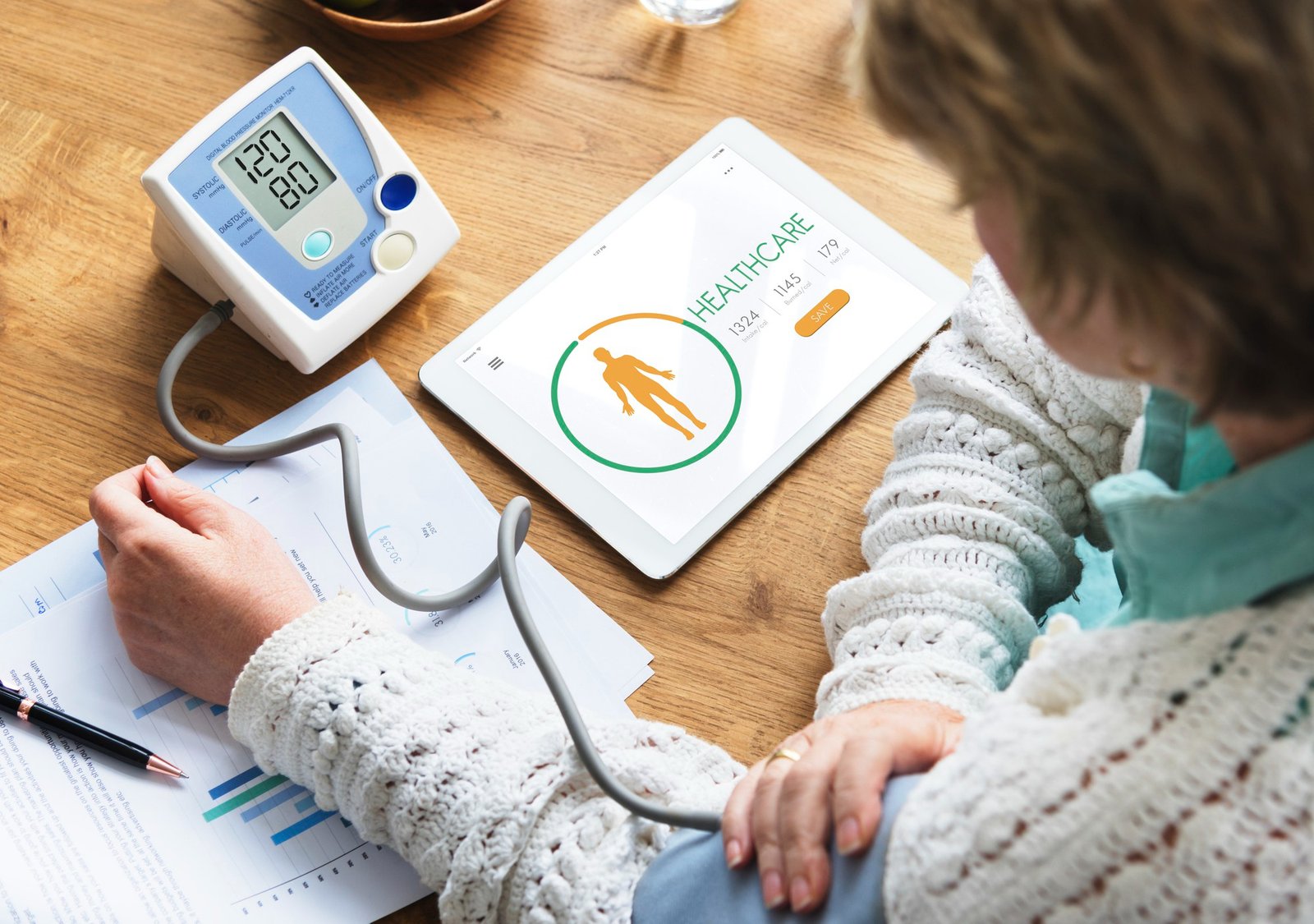
For example, one blood pressure reading provides a snapshot at a particular moment. A series of reliable readings may offer a clearer view of how measurements change over several days. The pattern can then be reviewed by a qualified healthcare professional in the context of the patient’s overall condition.
The Role of Explainable Artificial Intelligence
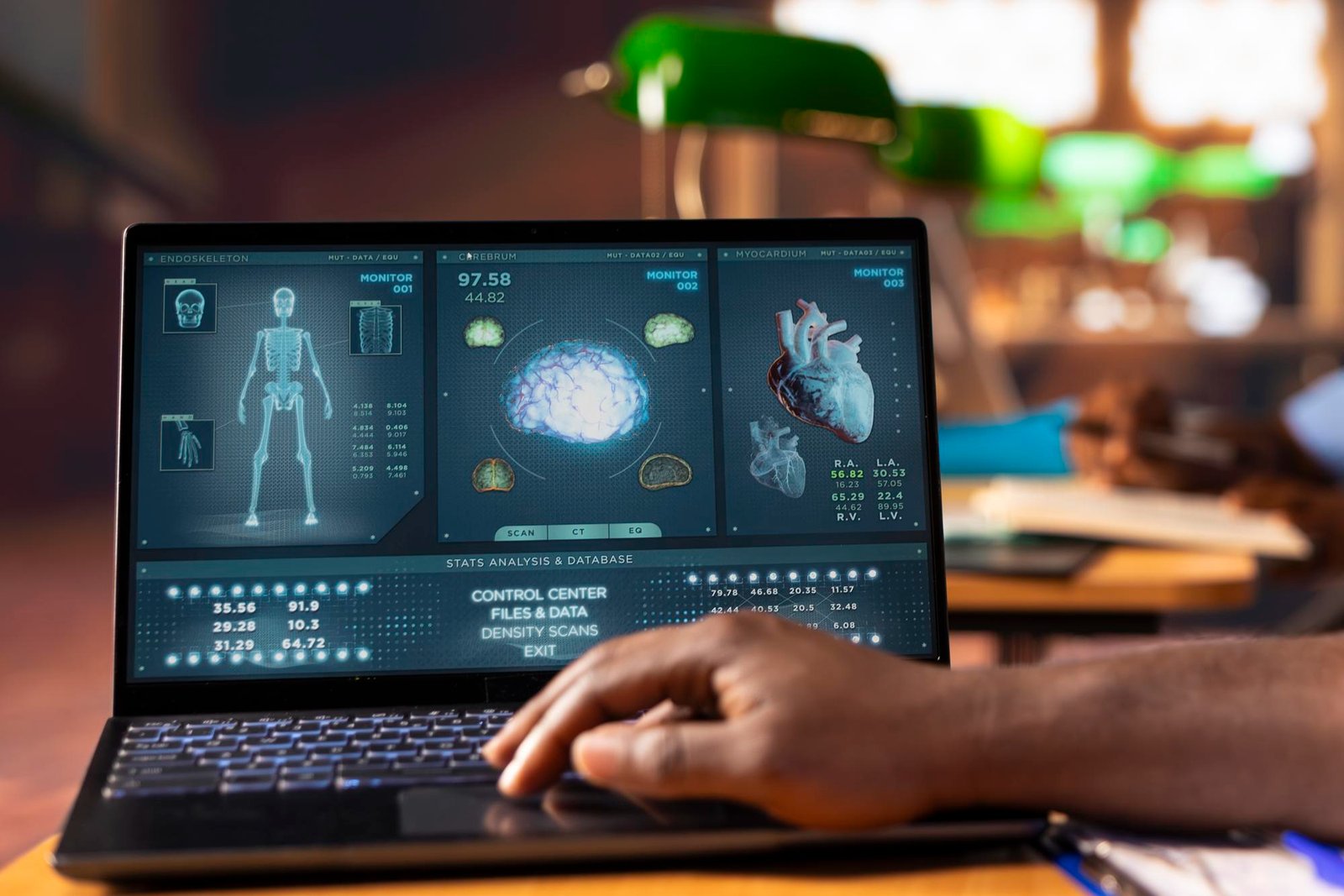
AI can help analyze large volumes of health information and highlight patterns that deserve attention. Explainable AI aims to make these signals easier to interpret by showing relevant factors behind a result rather than presenting an unexplained alert.
However, an AI-generated signal is not automatically a diagnosis. Data limitations, device accuracy, missing readings, and individual health circumstances must all be considered. Clinical validation and professional oversight are essential before such systems are used to guide patient care.
Turn Health Data into Meaningful Insights
Explore how Vytaris is approaching connected health data and explainable AI to help make relevant health signals more understandable for clinical review.
Connecting Health Data Across Devices
Health information may originate from smartwatches, glucose monitors, blood pressure cuffs, pulse oximeters, and clinical record systems. Connecting these sources can help create a more unified view of available measurements.
Interoperability standards and appropriate integration methods can help systems exchange information in a consistent format. The result can be a more organized foundation for reviewing health trends and supporting coordinated care.
How Vytaris Approaches Meaningful Health Signals
Vytaris is a health technology concept developed by SPRWork Infosolutions. Its proposed approach combines connected home-device data, explainable AI, and signal routing to help make relevant changes more visible to clinicians.
Rather than treating every measurement as an isolated number, the concept focuses on connecting information and highlighting signals with supporting context. Its demonstrated readings are simulated, and its proposed capabilities require validation before clinical use.
Moving from Data Collection to Better Understanding
Health technology becomes more useful when it helps people make sense of information rather than simply adding to the volume of data they receive. Reliable measurements, appropriate context, transparent analysis, and qualified clinical review are all important parts of this process.
The opportunity ahead is to build connected health systems that turn raw measurements into understandable information and help healthcare professionals focus their attention where it may be most useful.
 Previous Post

Latest Blogs
How AI and Connected Health Data Can Support Better Care
From Raw Health Data to Meaningful Signals