
How Digital Health Technology Is Transforming Chronic Care
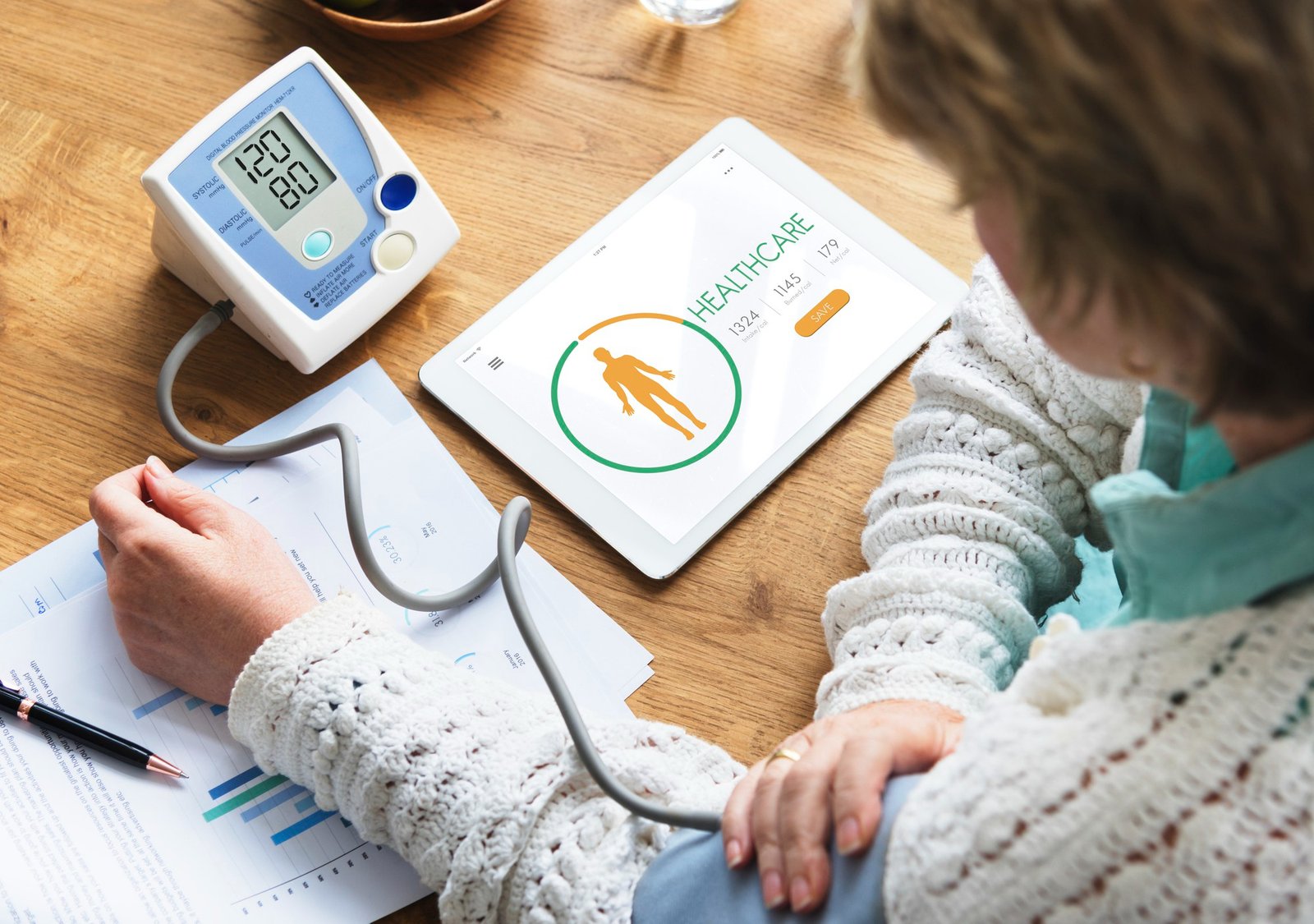
Managing a chronic condition requires attention beyond occasional doctor visits. For people living with diabetes, hypertension, and other long-term conditions, health changes can happen at any time. Digital health technology offers new ways to connect health information, support continuous monitoring, and help healthcare professionals understand what happens between appointments.
What Is Chronic Care Management?
Chronic care management focuses on supporting people who live with long-term health conditions. It involves regular monitoring, treatment coordination, follow-up, and communication between patients and healthcare professionals.
Traditional care often depends on information collected during scheduled appointments. While these visits remain important, they may not provide a complete picture of a patient’s health throughout the days and weeks between consultations.
Why Continuous Health Monitoring Matters
Health measurements such as blood pressure, heart rate, blood glucose, and blood oxygen levels can provide useful information about a person’s condition. Looking at readings over time can help healthcare professionals understand patterns that a single measurement may not reveal.
Connected health devices can help collect measurements outside traditional clinical settings. When these readings are organized and reviewed in context, they can support a more continuous view of a patient’s health journey.
The Role of Connected Health Devices
Smartwatches, blood pressure monitors, glucose monitoring devices, and pulse oximeters can generate different types of health information. However, managing information across multiple devices can become complicated when each system operates separately.
Connected health platforms aim to bring information from different sources into a more organized view. This can help reduce fragmentation and make it easier for care teams to review relevant measurements together.
How Artificial Intelligence Can Support Chronic Care
Artificial intelligence can help analyze health data, identify patterns, and highlight measurements that may deserve further review. Explainable AI can also help present the factors behind a flagged signal, making the information easier for healthcare professionals to assess.
AI-generated signals should support professional review rather than replace clinical judgment. Any system used in clinical care must be appropriately validated, and healthcare decisions should remain with qualified professionals.
Building a More Connected Care Experience with Vytaris
Vytaris, developed by SPRWork Infosolutions, explores an approach to chronic care in which connected home-device readings are brought together, meaningful changes are highlighted, and relevant signals can be routed to the appropriate clinician.
The goal is to make health information more understandable and useful, helping address the gap between occasional appointments and everyday health management. Vytaris is currently a product concept, and its proposed capabilities require validation before clinical use.
Explore a Smarter Approach to Chronic Care
Discover how connected health data, explainable AI, and meaningful health signals are shaping new possibilities for chronic care management.
Explore Vytaris and Its Vision for Connected Care
The Future of Chronic Care
The future of chronic care depends not only on collecting more health data but also on making that data easier to understand and review. Connected devices, thoughtful data integration, and explainable AI may help healthcare teams develop a clearer picture of changes over time.
As digital health technology continues to evolve, the focus should remain on supporting patients, assisting clinicians, and making care more connected, responsible, and informed.
 Previous Post

One response to “How Digital Health Technology Is Transforming Chronic Care”
Latest Blogs
How AI and Connected Health Data Can Support Better Care

From Raw Health Data to Meaningful Signals
Hi, this is a comment.
To get started with moderating, editing, and deleting comments, please visit the Comments screen in the dashboard.
Commenter avatars come from Gravatar.