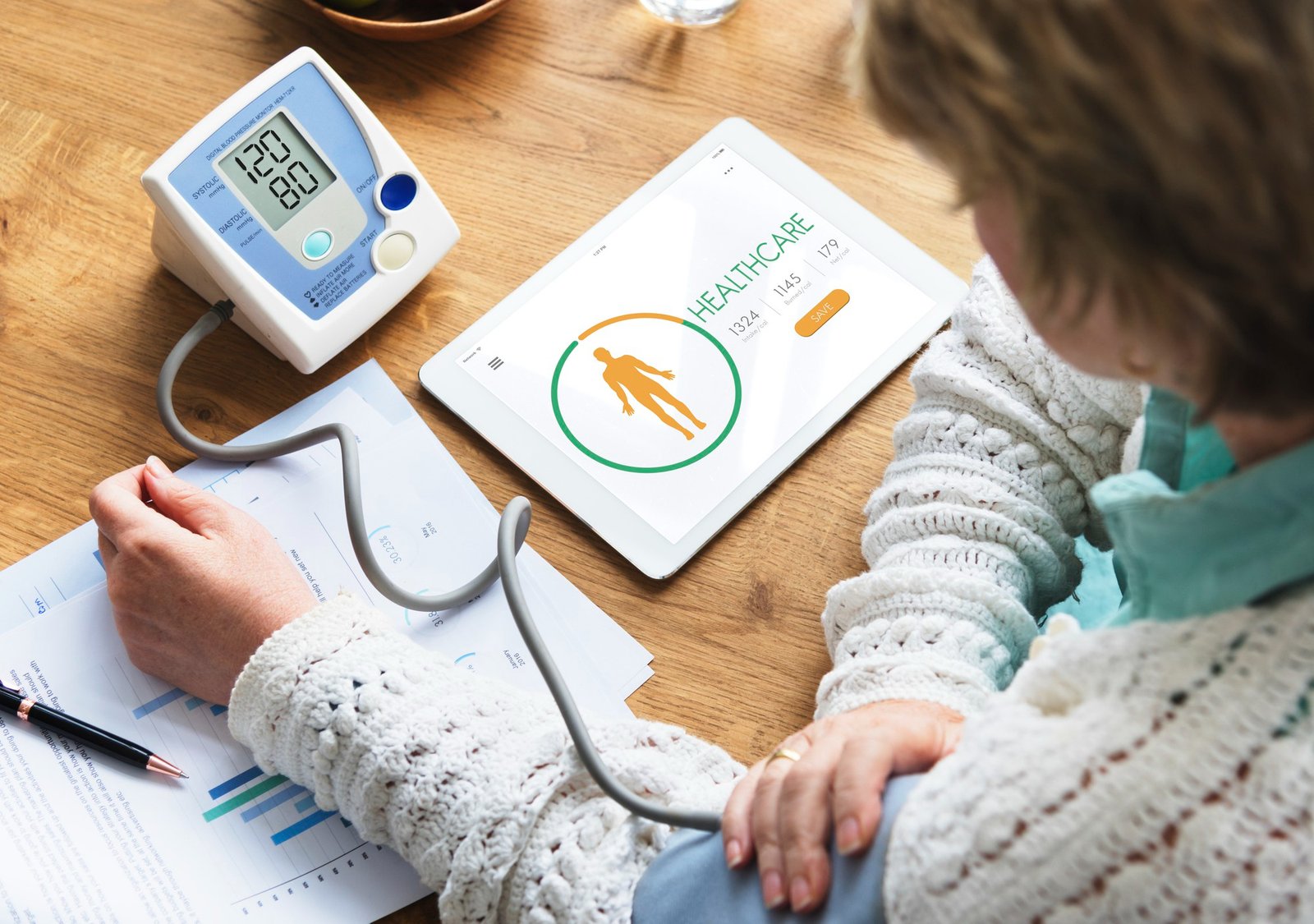
How AI and Connected Health Data Can Support Better Care
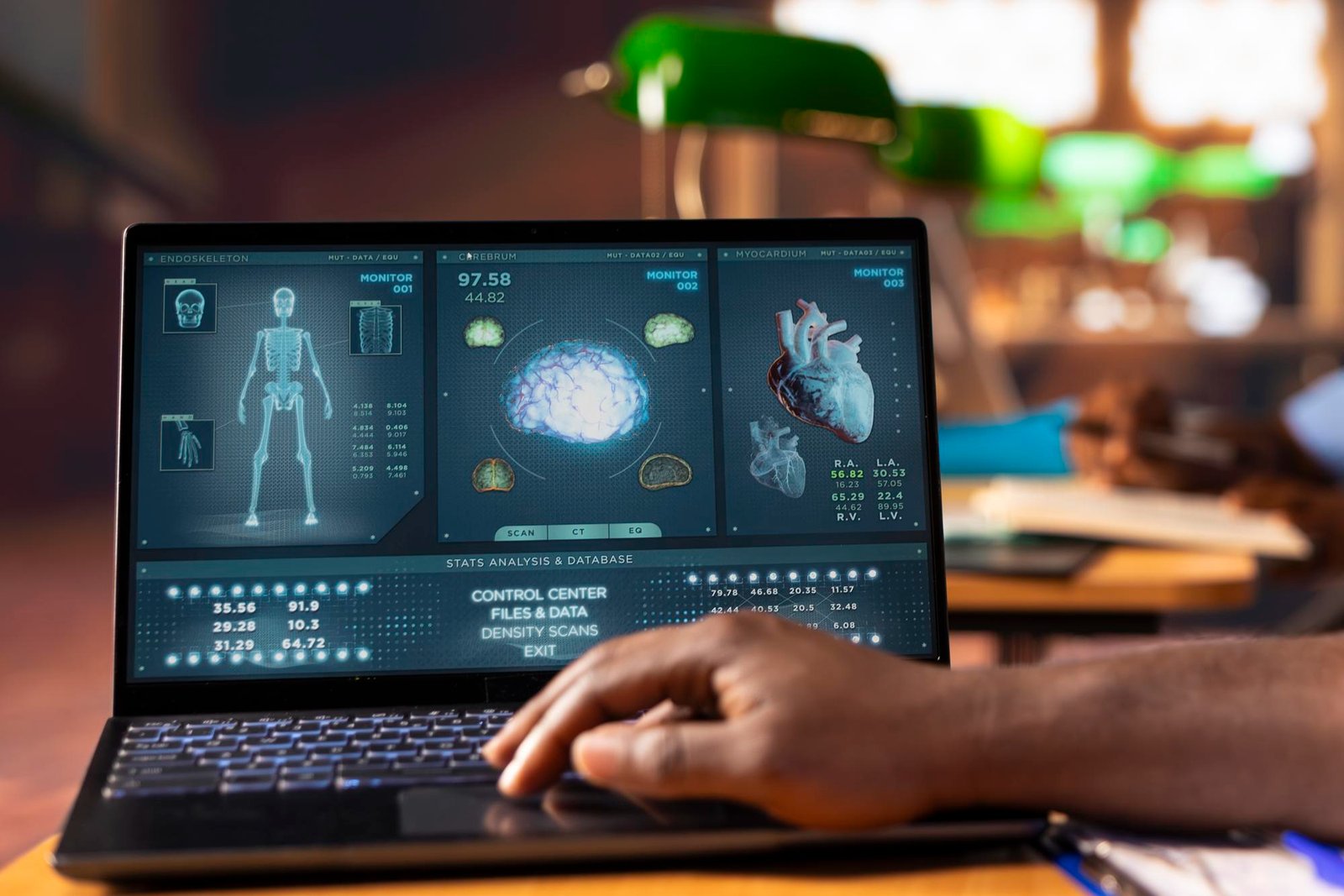
Healthcare is becoming increasingly connected. Digital devices can collect measurements at home, healthcare systems can store information electronically, and artificial intelligence can help analyze complex datasets. Together, these technologies create opportunities to improve how health information is organized, understood, and reviewed.
However, meaningful progress requires more than adopting new technology. It requires reliable data, responsible AI, appropriate clinical oversight, and systems that work together.
Understanding Connected Health Data
Connected health data brings information from different devices and systems into a more coordinated environment. This information may include heart rate, blood pressure, blood glucose, oxygen saturation, and other relevant measurements.
When data from multiple sources can be reviewed together, healthcare professionals may gain a broader understanding of changes over time. The usefulness of this information depends on its quality, context, and suitability for the intended purpose.
How Artificial Intelligence Helps Analyze Health Information
AI can process large amounts of information and help identify patterns that may be difficult to recognize through manual review alone. Depending on the system, this may include trend analysis, unusual measurement detection, and prioritization of information for further assessment.
These capabilities can help organize information, but they do not guarantee accurate conclusions. AI systems must be tested and validated for their intended use, and their outputs should be interpreted with appropriate professional oversight.
Why Real-Time Information Can Matter
For people managing chronic conditions, relevant changes can occur between scheduled healthcare appointments. Information collected over time may help provide visibility into these changes, provided that readings are reliable and the monitoring process is appropriate.
Timely alerts can help bring potentially important information to a care team’s attention. Clear alert criteria, suitable routing, and processes for reviewing alerts are necessary to avoid unnecessary notifications and ensure that relevant information reaches the appropriate person.
Overcoming Fragmented Healthcare Information
Health information can be distributed across device applications, electronic health records, monitoring platforms, and other systems. When these sources are disconnected, healthcare professionals may need to spend additional time gathering information from different places.
Data integration can help make relevant information easier to access and review. Standards such as HL7 and FHIR support the exchange of healthcare information between compatible systems, although successful integration also depends on implementation, data quality, and security requirements.
Responsible AI in Healthcare
Healthcare technology must be designed with responsibility at its core. Protecting sensitive information, managing access appropriately, maintaining reliable records, and evaluating system performance are important considerations.
AI tools should be transparent about their limitations and should not be presented as substitutes for qualified healthcare professionals. Any technology intended for clinical use must undergo the validation, testing, and regulatory review applicable to its intended purpose.
Vytaris and the Vision for Connected Chronic Care
Vytaris, developed by SPRWork Infosolutions, is exploring a connected approach to chronic care that brings together home-device readings, explainable AI, and relevant signal routing.
The concept aims to help reduce the distance between collecting health measurements and presenting useful information for clinical review. By emphasizing connected data and understandable signals, Vytaris reflects a broader vision for technology that supports more informed and coordinated care.
Vytaris remains a product concept, and its proposed capabilities and integrations require validation before clinical use.
Discover the Future of Connected Healthcare
Learn more about the Vytaris concept and its vision for connecting home health data, explainable AI, and relevant signals to support coordinated chronic care.
Looking Ahead: A More Connected Healthcare Future
The future of digital healthcare will depend on how effectively technology connects information, supports professional decision-making, and fits into real clinical workflows. AI and connected devices offer promising possibilities, but their value depends on reliability, responsible implementation, and meaningful human oversight.
By focusing on useful insights rather than data volume alone, healthcare technology can continue to explore new ways to support patients and care teams throughout the care journey.
 Previous Post

Latest Blogs
How AI and Connected Health Data Can Support Better Care
From Raw Health Data to Meaningful Signals